
Tips for in-season Performance and Health Converted
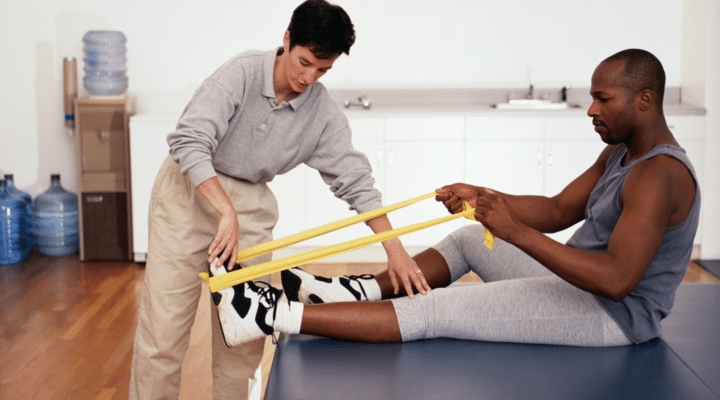
During the season, your body takes a lot of stress. Practices, games, school, work, travel, and limited recovery will impact how your body functions. The goal is to stay healthy and perform well. You’ll likely have a lot of stress on your body and need to maintain a regular health routine that keeps you strong, mobile, enduring, and able to recover. In-season maintenance includes improving your ability to stay healthy and perform well, and lowering the risk of injury. You can see a physical therapist about muscle soreness, poor movement, sports injuries, ACL concerns, mobility challenges, post-op recovery, and performance-related movement challenges. Peake Physical Therapy helps athletes recover from sports injuries, ACL injuries, limited mobility, post-surgery recovery, and movement challenges.
Table of contents
- Prioritize Recovery Between Games
- Warm Up Before Activity
- Keep Up Strength Training
- Don’t Ignore Pain
- Mobility is Vital for Good Functioning and Sports Performance
- Guard Against Overuse Injuries
- Build Stronger Balance and Stability
- Help Prevent Knee Injuries
- Keep at It All Season Long
- Make an Appointment for Physical Therapy
- Final Thoughts
Estimated reading time: 6 minutes

Resource: orthoinfo.org
Prioritize Recovery Between Games
The body requires time to recover and adapt after intense practices and games. Not getting enough recovery time can contribute to greater muscle soreness, slower response time, and overuse injuries. Recovery includes:
- Getting enough sleep
- Hydrating
- Eating healthy meals
- Taking rest days seriously
- Using light movement post-activity
- Addressing soreness before it becomes pain
A physical therapist can help you find out what recovery is appropriate for your sport, schedule, and current condition.
Warm Up Before Activity
Your body must be prepared to move quickly, change direction, jump, sprint, throw, and make contact with other players. This isn’t likely a good idea before the season is over if the majority of your warm-ups are static stretches. Before your activity, your body may benefit from moving into dynamic movement. The warm-up can include a variety of movements:
- Light jogging
- High knees
- Lunges
- Hip mobility work
- Arm circles
- Skipping
- Sport-specific movements
You need to be better prepared to perform an activity that supports blood flow, coordination, and nervous system readiness before intense movement.
Keep Up Strength Training
Strength training is still a big part of your game. The primary purpose is to maintain strength, not overload, throughout the season. Maintaining your body’s core strength, hip stability, glute strength, shoulder stability, balance on one leg, hamstring strength, and ankle stability can help you stay stable and strong during the season. Muscular weakness or imbalance can be an issue and affect your movement mechanics, placing additional stress on your joints. A physical therapist can identify these areas and help you develop a plan to help you move more safely.
Don’t Ignore Pain
Some pain after a big game may be normal. If you have pain that continues, worsens, or impacts movement, that isn’t acceptable. Many athletes tend to play through the pain. This can make recovery and later resolution more difficult. See a doctor or physical therapist if you have pain lasting a few days, swelling around joints, sharp pain with movement, limited range of motion, a limp, weakness, pain recurring every day, or during every practice or game. The sooner you get treatment, the better. Pain can delay recovery from an injury. Pain makes recovery more difficult. You may be able to safely return to your sport sooner with early treatment.
Mobility is Vital for Good Functioning and Sports Performance
If you have tight hips, limited ankle mobility, stiffness in your shoulders or spine, your ability to move fast, generate power, and manage your body will be affected. Throughout the season, mobility work must continue to keep you mobile. Athletes often find that mobility training targets the following areas:
- Hips
- Ankles
- Hamstrings
- Calves
- Shoulders
- Thoracic spine
- Neck
A physical therapist can analyze an athlete’s movement patterns and suggest exercises to address areas that could have the greatest impact on performance in their individual sport.
Guard Against Overuse Injuries
During the middle of sports seasons, overuse injuries are common because athletes repeat the same motions. Running, jumping, throwing, kicking, swimming, and lifting can all create excessive stress on muscles, bones, and soft tissue over time.
Typical overuse injuries are:
- Tendonitis
- Muscle strains
- Shin splints
- Stress fractures
- Shoulder pain
- Knee pain
- Hip pain
- Foot and ankle pain
Athletes can reduce the likelihood of developing these issues by carefully managing their training volume, using proper technique, and prioritizing recovery time. Physical therapists can also evaluate movement strategies and make modifications to reduce excessive loads on the body.
Resource: nm.org
Build Stronger Balance and Stability
Athletes should possess excellent balance and control in order to move safely while playing their sport. It takes a high level of neuromuscular control to land, cut, rotate, and change direction under duress. Having poor coordination increases the risk of ankle sprains, knee injuries, and falls. Athletes may develop a stronger sense of balance and control through:
- Single-leg balance tasks
- Landing training
- Agility tasks
- Exercises to stabilize the core
- Reaction drills
- Neuromuscular training
It is especially important for athletes participating in sports involving jumping, cutting, or quick direction changes to practice these movement skills.
Help Prevent Knee Injuries
Injury to the ACL can be a lengthy process to treat and may have a long-term impact on an athlete’s performance. Athletes participating in sports like soccer, basketball, football, lacrosse, and volleyball can benefit from an ACL injury prevention program.
A program developed with the purpose of reducing the risk of an ACL injury can focus on:
- Teaching the right way to land
- Stabilizing the hip and knee joints
- Developing strength
- Practicing balance
- Moving with ease in the joints
- Sport-specific movement skills
Peake Physical Therapy provides ACL injury prevention training focused on evaluating movement, building neuromuscular control, building strength, and developing optimal mobility. All of these tools can help athletes gain better control during high-demand sports movements.
Keep at It All Season Long
Athletes can make a big difference by doing even simple things each day during the season without missing a day. Athletes do not have to complete lengthy routines in order to stay healthy throughout the season. In fact, dedicating a few minutes a day to a few specific activities is enough to make a difference in recovery, mobility, and injury prevention. Activities to do during the season are:
- Warm up the muscles before training
- Perform a cool-down after hard training sessions
- Stretch often
- Drink enough water
- Consume enough protein and carbohydrates
- Seek evaluation when feeling pain
- Continue to build and maintain strength
- Consult a physical therapist when necessary
Keeping these habits regular helps the body better handle the loads associated with the season’s demands and minimizes excessive stress and strain.
Make an Appointment for Physical Therapy
Physical therapy isn’t just for athletes already struggling with a sports injury. It’s also for athletes looking to improve their overall movement capacity, address general soreness, avoid re-injury, and be ready to compete. In a physical therapy visit, therapists may evaluate strength, mobility, balance, coordination, and sport-specific movement skills. Peake Physical Therapy provides sports therapy, manual therapy, post-operative physical therapy and rehabilitation, and ACL injury prevention. Athletes in Baltimore, Towson, Timonium, Hunt Valley, and surrounding communities may benefit from seeing a professional for their physical therapy needs during the season.
Final Thoughts
Staying injury-free during a sports season requires attention to recovery, strength and mobility, training habits, and early intervention. Athletes can prepare to perform and reduce injury risk by focusing on these areas during the season. Schedule an appointment with Peake Physical Therapy to continue getting active and recover well throughout your sports season.