
What Helps Increase Circulation in Your Legs?
Good blood circulation is vital for keeping your legs healthy and strong. When circulation slows, you may experience swelling, numbness, or fatigue. Poor circulation can also increase the risk of varicose veins, peripheral artery disease, and deep vein thrombosis. Fortunately, several proven methods can help improve blood flow and keep your legs feeling their best.

Reference: my.clevelandclinic.org/health/diseases/17357-peripheral-artery-disease-pad
1. Move Regularly Throughout the Day
Sitting or standing for long periods can restrict blood flow. Simple movements like walking, stretching, or flexing your ankles every hour can make a big difference. If you have a desk job, try standing up every 30–60 minutes or using a sit-to-stand desk to keep your leg muscles active.
2. Exercise to Strengthen Circulation
Aerobic exercise, such as walking, swimming, or cycling, strengthens your heart and arteries while encouraging better blood flow. Strength training and flexibility exercises can also help maintain muscle tone and support vascular health. Even 20 to 30 minutes of moderate exercise most days of the week can improve circulation over time.
3. Maintain a Healthy Weight
Excess body weight puts additional pressure on your legs and veins, restricting circulation. A balanced diet and regular physical activity can help reduce this strain. Incorporate foods rich in omega-3 fatty acids, antioxidants, and fiber to support heart and vascular health.
4. Avoid Prolonged Sitting with Legs Crossed
Crossing your legs for long periods can slow blood flow and increase venous pressure. To encourage proper circulation, try keeping your feet flat on the floor and shifting positions often.
5. Elevate Your Legs
Raising your legs above heart level for 10–15 minutes a few times daily can help blood return to your heart and reduce swelling. This is especially helpful after long hours of standing or sitting.
6. Stay Hydrated
Proper hydration makes your blood less viscous, allowing it to circulate freely. Aim for at least eight glasses of water daily, and limit excessive caffeine or alcohol intake, which can cause dehydration.
7. Wear Compression Garments if Recommended
Compression socks or stockings can help improve blood flow in your lower legs, especially if you experience swelling or varicose veins. Consult your physical therapist or physician before using them to ensure you get the right fit and pressure level.

8. Schedule a Physical Therapy Evaluation
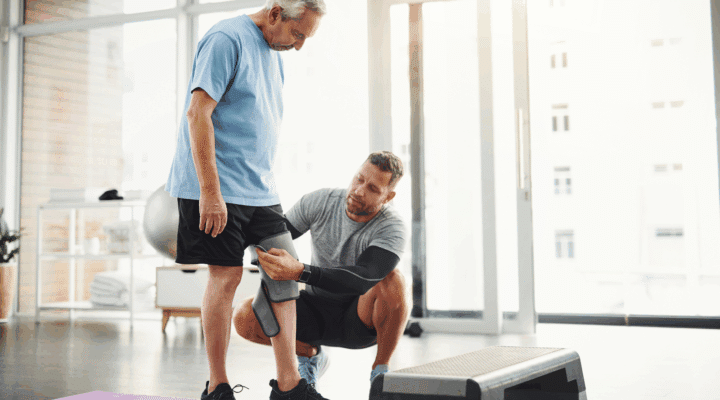
If you experience chronic swelling, pain, or heaviness in your legs, physical therapy can help. A physical therapist can assess your circulation and design a personalized program that includes strengthening exercises, manual therapy, and education to promote healthy blood flow and mobility.
Final Thoughts
Improving leg circulation starts with simple, consistent habits. Whether through regular exercise, hydration, or leg elevation, these strategies help support overall vascular health.
At Peake Physical Therapy, our specialists can customize treatment plans to help you improve circulation, reduce discomfort, and restore mobility.
Contact Peake Physical Therapy to schedule an appointment.