
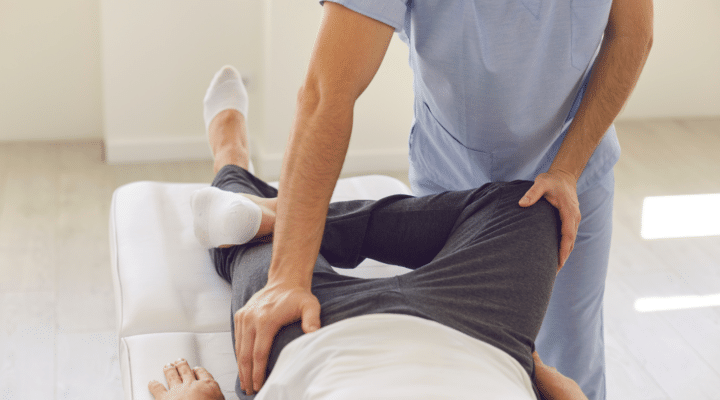
The Importance of Pelvic Health for Your Well-Being
Having an understanding of what your pelvic floor does and how to take care of it is really important for long-term health and function in your body. Many people who have discomfort or problems in this area do not realize that physical therapy can help. in Colorado Springs from physical therapy. Peake Physical Therapy in Colorado Springs sees a lot of people with pelvic health challenges, and we help them return to a more normal function. This guide will cover some of the common questions about pelvic health from our community, including signs to look for, treatment options, and tips for taking care of your body.
Table of contents
- General Understanding of Pelvic Health
- How Does Pelvic Health Impact Your Body’s Ability to Function?
- Pelvic Health Conditions
- How Does Pelvic Health Affect All Genders Differently?
- Prevention and Maintenance
- Treatment Options
- When Should You See a Specialist for Pelvic Health Concerns?
- Are There Non-Surgical Treatments Available?
- How Does Pregnancy and Childbirth Affect Pelvic Health?
- What Changes Should You Expect as You Age?
- Can Pelvic Health Issues Arise After Menopause?
- Local Resources and Support
- Final Thoughts
Estimated reading time: 6 minutes
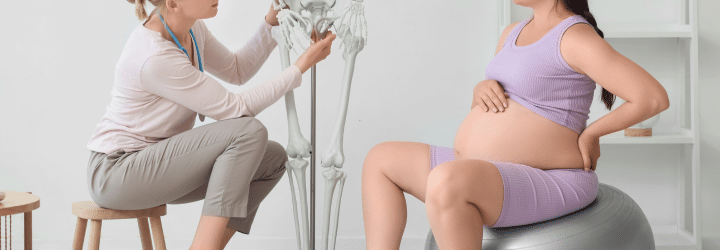
General Understanding of Pelvic Health
Pelvic health refers to the proper function of the structures in our bodies that support and work together with the pelvic muscles. This includes pelvic muscles, ligaments, and connective tissues that hold our pelvic organs (bladder, bowel, and reproductive organs) in place. It is crucial that these areas function well because they help maintain control over urine and stool, support the core muscles, and enable sexual activity. When you have healthy pelvic floor function, it helps prevent organs from shifting out of place, and it supports your body posture. Taking good care of your pelvic health may help you avoid developing chronic pain and symptoms that prevent you from doing the things you need or want to do.
How Does Pelvic Health Impact Your Body’s Ability to Function?
The pelvic floor works together to form your deep core muscles, which then connect to your abdomen, back muscles, and diaphragm. If you have issues in the pelvic region, it may cause your body to move differently or compensate for the weakness or tightness. This can lead to pain in your back or hips and reduce performance in activities such as exercise. Chronic pelvic health problems can also affect your sleep and cause emotional and mental stress. When you have healthy pelvic function, it allows you to move without pain and engage in activities freely.
Symptoms of Unhealthy Pelvic Health
It’s important to recognize signs that indicate you might have pelvic health issues, so you can prevent them from worsening over time. You may experience symptoms of urinary incontinence (urine leakage), especially when you cough or exercise. You may also find yourself going to the bathroom too often or having difficulty emptying your bladder or bowel. Other signs include pain in your lower back, hips, groin, or pelvic area. Many people describe a feeling of heaviness or pressure in the pelvis. If these issues occur regularly, it’s a sign that your pelvic floor muscles might be weak, tight, or uncoordinated.
Pelvic Health Conditions
Common conditions include urinary incontinence, pelvic organ prolapse (when organs fall out of place due to lack of support), and pelvic pain conditions like hypertonic pelvic floor (when muscles become excessively tight). Other issues include bowel incontinence and chronic constipation. While the severity of these conditions varies, physical therapy can help with all of them. Pelvic floor dysfunction can be caused by various factors, including structural changes and environmental factors that occur throughout your life. Pregnancy and childbirth can stretch or weaken the pelvic muscles and ligaments. Coughing and heavy lifting are also common causes of pelvic organ prolapse. Other risk factors include obesity, trauma to the pelvis, and prolonged sitting or poor posture.
How Does Pelvic Health Affect All Genders Differently?
People can experience pelvic floor dysfunction, though the conditions may differ due to anatomical and physiological differences. Women may develop prolapse and stress incontinence, particularly after childbirth or during menopause. Men may suffer from prostate-related conditions or chronic pelvic pain. Treatment is adapted to each individual, as physical therapists use specific protocols for each condition.
Resource: foundationspelvichealth.com
Prevention and Maintenance
Good pelvic health involves maintaining proper body mechanics and living a healthy lifestyle. Regular core strengthening exercises and proper lifting techniques help reduce intra-abdominal pressure on the pelvic floor. Maintaining a healthy weight decreases strain, and avoiding prolonged straining on the toilet can also help. Kegels are commonly recommended to strengthen weak pelvic muscles through active contraction and release. In some cases, however, the goal may be to relax or “down-train” the muscles, using diaphragmatic breathing and stretching techniques. Other core stability exercises, like bridges and Pilates, also help with pelvic floor strengthening. Your physical therapist will assess your needs and prescribe the appropriate exercises.
Resource: my.clevelandclinic.org
Treatment Options
At Peake Physical Therapy, we offer manual therapy, biofeedback, targeted exercises, and neuromuscular re-education to restore function. We focus on treating the condition rather than only the symptoms.
When Should You See a Specialist for Pelvic Health Concerns?
Seek a specialist if your symptoms cause pain or impact your quality of life. Conditions like leakage, pelvic pain, and pain during intercourse typically worsen over time if left untreated. A highly trained physical therapist can help you recover faster and prevent additional musculoskeletal problems.
Are There Non-Surgical Treatments Available?
Conservative, non-surgical treatments are highly effective for most pelvic floor issues. These treatments, including exercises and physical therapy modalities like electrical stimulation, are usually sufficient to resolve issues. In fact, most patients at Peake Physical Therapy do not require surgery.
How Does Pregnancy and Childbirth Affect Pelvic Health?
Pregnancy causes hormonal changes that loosen ligaments, and the growing baby increases pressure on the pelvic floor. During and after childbirth, muscles and connective tissues are stretched or torn, leading to issues like diastasis recti, incontinence, and pelvic organ prolapse. Physical therapy can help heal the body before and after childbirth and prepare you for the physical challenges of pregnancy.
Resource: fda.gov
What Changes Should You Expect as You Age?
As you age, hormonal and cellular changes affect pelvic floor tissues and muscles, leading to weakening and loss of muscle tone. Symptoms like increased frequency, leakage, or prolapse may occur. However, aging does not mean you have to live with pelvic floor weakness. Regular exercise and physical therapy can help maintain pelvic health at any age.
Can Pelvic Health Issues Arise After Menopause?
Menopause significantly impacts pelvic health due to changes in estrogen levels. These changes can cause pelvic floor tissues to thin, lose elasticity, and produce less moisture, leading to urinary urgency, frequent UTIs, and painful intercourse. Physical therapy, along with proper medical care, can address these changes effectively.
Local Resources and Support
Our physical therapists are highly trained in treating people with pelvic health conditions. We also work closely with urologists, OB-GYNs, and family practitioners to ensure our patients receive comprehensive care. Many local support groups and resources exist for those recovering from childbirth or dealing with pelvic health issues. Peake Physical Therapy encourages patient education and can refer you to local support networks and specialty fitness instructors who specialize in pelvic health.
Final Thoughts
Pelvic floor dysfunction can impact your day-to-day life, limiting your physical activity and ability to focus at work. Treating these issues can improve productivity and a better quality of life. If you experience symptoms like pelvic pain or incontinence, it’s time to seek help. Contact Peake Physical Therapy for an evaluation based on your needs.