
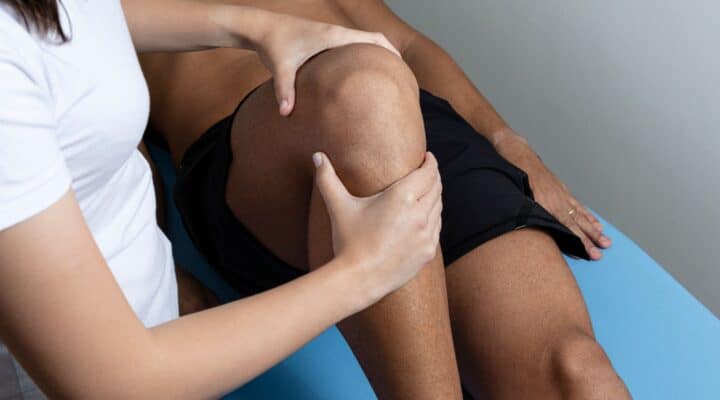
Preventing Injury with Pre-Operative Physical Therapy
Preparing for surgery involves more than scheduling a procedure and arranging recovery time. Physical preparation before surgery can play a critical role in reducing injury risk, improving outcomes, and supporting a smoother recovery. Pre-operative physical therapy, often called prehab, helps patients strengthen their bodies, improve mobility, and understand movement limitations before surgery.
This proactive approach allows individuals to enter surgery in better physical condition, which may lower the likelihood of complications and support safer movement during recovery.

What Is Pre-Operative Physical Therapy
This type of care is commonly recommended before orthopedic procedures such as joint replacements, ligament repairs, spine surgery, and rotator cuff repairs. Early preparation helps reduce strain on surrounding muscles and joints while promoting better overall body mechanics.
How Pre-Operative Physical Therapy Helps Prevent Injury
Surgery places stress on the body, even when the procedure is planned and controlled. Weak muscles, limited range of motion, or poor movement habits can increase the risk of injury both before surgery and during recovery. Pre-operative physical therapy helps reduce these risks in several ways.
Improves Strength and Stability
Targeted exercises help strengthen muscles that support the surgical area. Stronger muscles provide better joint stability, which may reduce compensatory movements that often lead to strain or injury.
Reference: dictionary.cambridge.org/dictionary/english/compensatory
Improved stability is significant for individuals who may already be adjusting their movement due to pain or limited mobility.
Increases Flexibility and Range of Motion
Limited mobility can place added stress on nearby joints and tissues. Stretching and mobility exercises help improve joint movement, which may reduce stiffness and discomfort leading up to surgery. A better range of motion before surgery often supports safer movement patterns afterward.
Addresses Movement Patterns and Posture
Poor movement habits and posture can contribute to injury risk. Pre-operative physical therapy focuses on correcting these patterns before surgery occurs.
Learning proper techniques for walking, bending, lifting, or transitioning between positions can reduce strain on healing tissues after surgery.
Builds Awareness and Confidence
Education plays a significant role in injury prevention. Patients learn how to move safely, protect surgical areas, and recognize warning signs that require attention.
Confidence in movement often reduces hesitation or sudden movements that could cause injury.
Benefits That Extend Into Recovery
- The benefits of pre-operative physical therapy do not end when surgery begins. Patients who participate in prehab often find that recovery feels more manageable.
- Muscle memory developed before surgery can make post-operative exercises more straightforward to perform. Familiarity with therapy routines may reduce anxiety and help patients stay consistent during rehabilitation.
- Physical preparation can also support better circulation, improved endurance, and a smoother transition back to daily activities.
Who Can Benefit from Pre-Operative Physical Therapy
Many individuals can benefit from pre-operative physical therapy, including those preparing for orthopedic surgery or experiencing reduced strength due to pain or limited activity.
Athletes, older adults, and individuals with chronic joint conditions may find particular value in preparing their bodies in advance. Physical therapists assess each patient’s current abilities and limitations to determine appropriate goals before surgery.
What to Expect During Pre-Operative Physical Therapy
Sessions typically include an evaluation, guided exercises, mobility work, and education. Physical therapists focus on realistic goals based on the planned surgery and the patient’s current condition.
Patients often receive simple exercises to perform at home, along with guidance on activity modification to reduce strain before surgery.
Final Thoughts
Preparing the body before surgery can reduce injury risk, improve movement awareness, and support a more confident recovery. Pre-operative physical therapy offers a proactive way to protect your health and support better outcomes. Contact Peake Physical Therapy to schedule a consultation.