
Plantar Fasciitis Symptoms, Causes & Treatment Options
Heel pain can bring an active lifestyle to an abrupt halt. Many people who enjoy running, hiking, and spending time outdoors often experience a sharp, stabbing pain in the bottom of their foot. This discomfort often points to a condition known as plantar fasciitis. Understanding how your foot works is the first step toward recovery. This guide explains the symptoms, causes, and treatment options for plantar fasciitis. You will learn how evidence-based physical therapy can address the root cause of the pain and help you return to your favorite activities safely and effectively.
Table of contents
Estimated reading time: 4 minutes
What is Plantar Fasciitis?
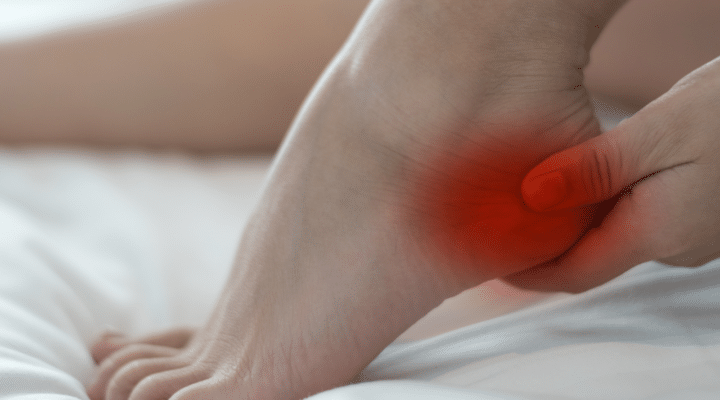
Plantar fasciitis is inflammation of the plantar fascia. It commonly causes heel pain and stiffness. Small tears in the plantar fascia can cause irritation and inflammation, leading to pain and discomfort.
Understanding the Structure of Your Foot
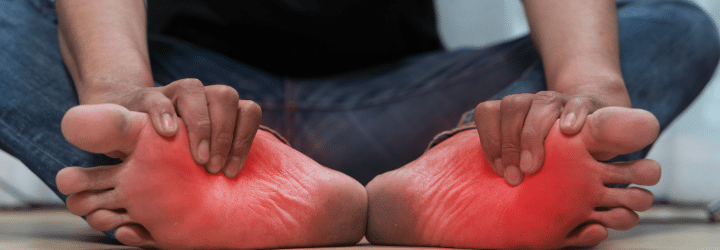
The plantar fascia is a band of tissue that supports the arch of your foot. It runs across the bottom of your foot and connects your heel bone to your toes. The plantar fascia helps absorb the shock of each step and supports the arch during weight-bearing activities. When it becomes irritated, it causes pain and inflammation.
Resource: aafp.org
Why Active Individuals Face Higher Risks
People who engage in frequent, repetitive high-impact activities face a significantly higher risk of developing plantar fasciitis. Running, hiking on uneven trails, and jumping place immense pressure on the plantar fascia. Adequate rest and recovery are necessary for the tissue to heal properly between sessions. The physical demands of an outdoor-oriented lifestyle require excellent foot biomechanics. Altitude and rugged environments demand more from your body, increasing the strain on your feet. Proper conditioning and preparation become essential to prevent tissue overload.
What Are the Symptoms of Plantar Fasciitis?
Plantar fasciitis often develops over time. However, if you have recently increased your activity level, you may experience a sudden onset of symptoms. Symptoms include:
- Pain in the bottom of your heel
- Intense pain when you take your first steps in the morning
- Pain in the bottom of your heel after you’ve been sitting or standing for a long time
- Pain after running or hiking
When to Seek Immediate Attention
While plantar fasciitis is a common foot complaint, there are times when you should seek immediate medical attention for heel pain. If you experience any of the following symptoms, seek immediate medical attention:
- Swelling or bruising around the heel
- Redness or warmth around the heel
- Inability to put weight on your heel
Plantar fasciitis is a common cause of heel pain. However, other causes of heel pain may require immediate medical attention. These symptoms could be indicative of a stress fracture, nerve impingement, or infection. If you have any of these severe symptoms, please consult a medical professional.
Resource: pubmed.ncbi.nlm.nih.gov/
How Can Physical Therapy Help?
A physical therapist can help alleviate pain from plantar fasciitis by:
- Conducting a thorough foot examination, including the plantar fascia
- Developing an individualized treatment plan based on findings
- Prescribing exercises to stretch the plantar fascia, Achilles tendon, and calf muscles
- Recommending orthotics or shoe modifications to reduce irritation
- Suggesting night splints or foot rollers
- Advising on activity modifications (e.g., avoiding running on hard surfaces or taking breaks to stretch feet)
Maintaining an Active Lifestyle Safely
Modify your training to prevent sudden tissue overload. Increase your mileage, intensity, or elevation gradually, following the rule of increasing activity by less than 10% per week. Add low-impact cross-training, such as cycling or swimming, to maintain cardiovascular fitness while giving your feet a break.
If you begin to feel familiar tightness or pain in your heel, do not push through the discomfort. Reduce your activity level immediately and apply ice. Addressing the early warning signs can prevent a minor irritation from developing into a chronic injury
Final Thoughts
Plantar fasciitis requires patience and a strategic approach to overcome. Ignoring the pain or masking it with medication often leads to altered walking patterns, which can eventually cause secondary issues in your knees, hips, or lower back. Seeking professional guidance ensures you address the root cause of your heel pain. At Peake Physical Therapy, our dedicated team will provide the accurate assessment and individualized treatment plan you need to recover fully. Contact Peake Physical Therapy to schedule an appointment and take the first step toward pain-free movement.