
Physical Therapy Guide to Scoliosis
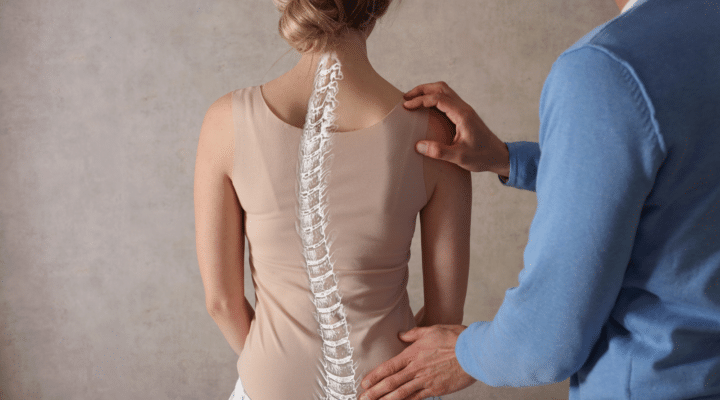
Scoliosis is a condition characterized by an abnormal curvature of the spine, often appearing as an “S” or “C” shape. While scoliosis can affect people of all ages, it is most commonly diagnosed in children and adolescents during periods of rapid growth. At Peake Physical Therapy, we provide comprehensive care for scoliosis, focusing on improving posture, reducing discomfort, and enhancing quality of life.
What Is Scoliosis?

Scoliosis occurs when the spine curves sideways, typically measuring 10 degrees or more. Common types of scoliosis include:
- Idiopathic Scoliosis: The most common type, with no clear cause, often diagnosed in adolescents.
- Congenital Scoliosis: Caused by spinal abnormalities present at birth.
- Neuromuscular Scoliosis: Associated with conditions like cerebral palsy or muscular dystrophy.
Definition: Cerebral Palsy
Symptoms of scoliosis vary but may include:
- Uneven shoulders or hips.
- A visibly curved spine.
- Back pain or stiffness.
- Difficulty breathing in severe cases.
How Is Scoliosis Diagnosed?
Diagnosing scoliosis begins with a thorough physical examination. Healthcare professionals may also use imaging tests like X-rays to determine the severity of the curvature, measured in degrees using the Cobb angle.
Can Physical Therapy Help Scoliosis?
Absolutely. While physical therapy cannot “cure” scoliosis or reverse severe curves, it is highly effective in managing symptoms and preventing progression. At Peake Physical Therapy, we tailor treatment plans to each individual, focusing on:
- Improving spinal alignment.
- Strengthening core and back muscles.
- Enhancing flexibility and mobility.
- Reducing pain and discomfort.
Physical Therapy Techniques for Scoliosis
Here’s what a scoliosis-focused physical therapy program at Peake Physical Therapy might include:
- Postural Exercises
Corrective exercises to improve posture and alignment.
Techniques to promote balance and symmetry in the body. - Stretching and Flexibility Training
Gentle stretches to reduce stiffness and improve range of motion. - Strengthening Exercises
Core stabilization exercises to support the spine.
Strengthening the muscles surrounding the spine to improve stability. - Breathing Exercises
Techniques to improve lung capacity and ease breathing difficulties associated with severe curves. - Manual Therapy
Hands-on techniques to release tension and improve mobility in tight or affected areas.
Benefits of Physical Therapy for Scoliosis
Physical therapy for scoliosis offers several key benefits, including:
- Reduced pain and discomfort.
- Enhanced mobility and flexibility.
- Improved posture and body alignment.
- Prevention of curve progression in some cases.
- Better overall quality of life.
When to Seek Physical Therapy for Scoliosis
If you or your child has been diagnosed with scoliosis, early intervention is crucial. Physical therapy can be especially helpful for:
- Managing mild to moderate scoliosis without surgery.
- Post-surgical rehabilitation for scoliosis patients.
- Addressing chronic pain or discomfort associated with scoliosis.
How to Control Your Scoliosis?
Contact Peake Physical Therapy to schedule an evaluation and learn how our personalized physical therapy programs can support your journey to better health.