
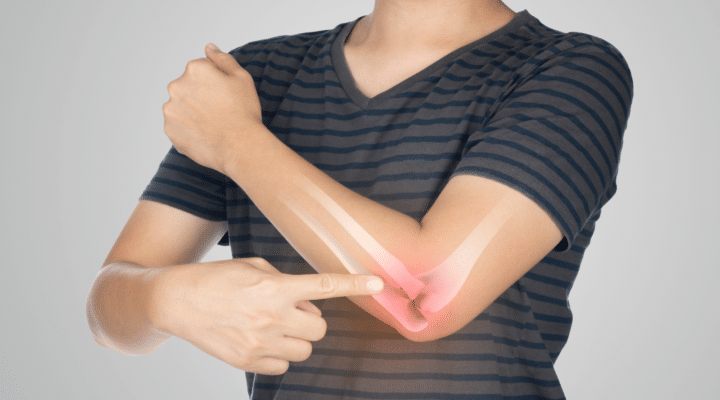
Overcoming Tennis Elbow: Physical Therapy Techniques to Reduce Pain
Tennis elbow, clinically known as lateral epicondylitis, is a common condition that causes pain along the outside of the elbow and forearm. Despite the name, this issue affects more than athletes and often develops from repetitive arm movements related to work, hobbies, or daily tasks. Physical therapy plays a key role in easing discomfort, restoring function, and helping people return to normal activities.

What Is Tennis Elbow?
Tennis elbow occurs when the tendons that attach to the forearm muscles become irritated or strained. Repetitive gripping, lifting, or wrist extension can, over time, place stress on these tendons. Pain may worsen during simple actions such as shaking hands, turning a doorknob, or lifting a cup.
Left untreated, symptoms can persist for months and interfere with work and recreational activities. Early care focused on movement and strength often leads to better outcomes.
Common Symptoms to Watch For
Recognizing symptoms early can support faster recovery. Signs of tennis elbow often include:
- Pain or burning in the outer part of the elbow
- Weak grip strength
- Discomfort that increases during wrist or hand movements
- Stiffness in the elbow, especially in the morning
Symptoms may begin gradually and become more noticeable during repeated use of the arm.
How Physical Therapy Helps Relieve Tennis Elbow Pain
Physical therapy addresses the root causes of tennis elbow rather than masking symptoms. A personalized treatment plan focuses on reducing strain, improving movement, and rebuilding strength in a controlled manner.
The physical therapist assesses posture, arm mechanics, and activity habits to identify factors contributing to the condition. Treatment then progresses through targeted techniques that support healing.
Therapeutic Exercises for Strength and Flexibility
Specific exercises form the foundation of tennis elbow recovery. Stretching helps reduce tension in the forearm muscles, while strengthening exercises improve tendon resilience.
Programs often include wrist extensions, forearm stretches, and grip exercises performed at a safe pace. Gradual progression allows the tendon to adapt without causing further irritation.
Manual Therapy Technique
Hands-on care can ease pain and improve mobility around the elbow and wrist. Soft tissue techniques help reduce muscle tightness and promote blood flow to the affected area.
Joint mobilization supports smoother movement patterns and reduces stress on the injured tendon during daily activities.
Reference: my.clevelandclinic.org/health/body/21738-tendon
Activity Modification and Education
Learning how to adjust movements plays a vital role in recovery. Physical therapists guide patients on proper lifting techniques, workstation setup, and ways to reduce repetitive strain.
Small changes in posture or grip can significantly reduce stress on the elbow and help prevent flare-ups during healing.
The Importance of Consistency in Recovery
Recovery from tennis elbow takes time and consistent effort. Following a guided therapy plan helps ensure steady progress and lowers the risk of recurring pain.
Sticking to recommended exercises and activity adjustments supports long-term improvement and a safer return to work or sports.
When to Seek Physical Therapy
Persistent elbow pain that does not improve after rest may benefit from professional care. Physical therapy offers a structured approach to managing symptoms and restoring arm function, often without surgery.
Early evaluation often leads to quicker relief and better overall results.
Final Thoughts
Peake Physical Therapy provides expert care for individuals dealing with tennis elbow and other orthopedic conditions. A focused physical therapy plan can help reduce pain, improve strength, and support lasting recovery. Schedule an appointment to begin a guided path toward better elbow health.