
Incorporating Mindfulness in Physical Therapy Practice
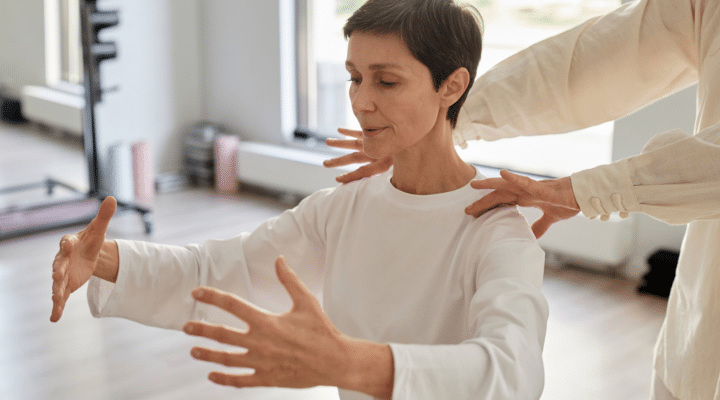
Mindfulness, the practice of maintaining a non judgmental state of heightened or complete awareness of one’s thoughts, emotions, or experiences on a moment-to-moment basis, has become a valuable component in physical therapy. This approach compliments physical rehabilitation by enriching the patient’s mental and emotional well-being, making it a holistic approach to treatment.
Definition: Holistic
The Benefits of Mindfulness in Rehabilitation
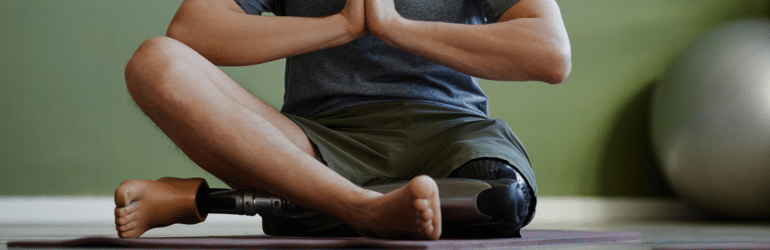
Integrating mindfulness into physical therapy can offer numerous benefits such as including:
- Pain Management: Mindfulness can help patients perceive pain differently, reducing the chronic pain often associated with physical ailments or post-operative recovery.
- Stress Reduction: By fostering a calm mind, mindfulness techniques can decrease the stress and anxiety that often accompany physical injuries and rehabilitation.
- Improved Focus and Concentration: Patients are more likely to engage fully with their rehabilitation exercises when they are mentally focused and attentive.
- Heightened Body Awareness: Mindfulness increases a patient’s awareness of their body and its movements, which can lead to better control over motor functions and a reduced risk of re-injury.
Techniques for Integrating Mindfulness into Therapy Sessions
Physical therapists can incorporate mindfulness into their practice through several effective techniques:
- Guided Breathing Exercises: Start sessions with deep breathing to center and prepare patients for therapy.
- Mindful Movement: Instruct patients to focus on sensations in muscles and joints during exercises.
- Progressive Muscle Relaxation: Guide patients through tensing and then relaxing different muscle groups, which can improve their awareness of physical sensations and aid in relaxation.
- Body Scan Meditation: Conclude sessions with a body scan, noting any tension or discomfort.
Implementing Mindfulness in Everyday Therapy Practices
For physical therapists, the implementation of mindfulness goes beyond the exercises. It involves creating an environment that supports a mindful approach. This could include:
- Creating a Calm Environment: Use soothing music, minimalistic decor, and soft lighting in therapy areas to reduce sensory overload.
- Educating Patients:Teach patients about the benefits of mindfulness not just during therapy sessions but as a tool for daily living.
- Continuous Practice: Encourage patients to practice mindfulness at home through simple activities like mindful walking or mindful eating.
Final Thoughts
Mindfulness in physical therapy practice bridges physical healing and mental well-being, fostering a deeper therapist-patient connection. As healthcare evolves, this integration enhances care and promotes a more empathetic, holistic approach to rehabilitation. Contact Peake Physical Therapy for more information.