
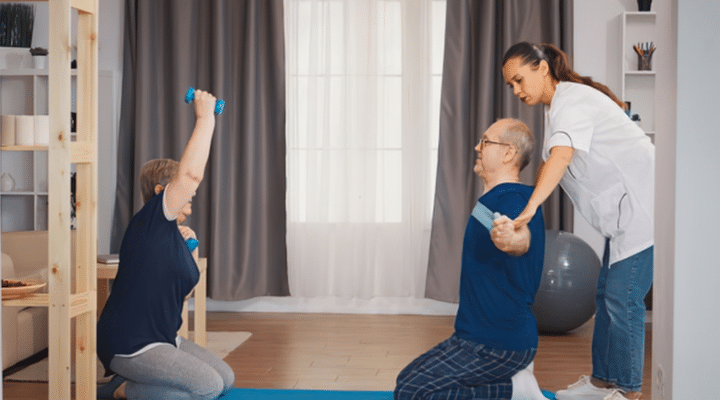
How Vestibular Physical Therapy Can Help With Post-COVID Dizziness
Recovering from COVID-19 doesn’t always mean all symptoms disappear. Some people continue to experience dizziness, fatigue, balance problems, and difficulty concentrating weeks or months after their initial infection. These ongoing symptoms may be associated with long COVID, also known as post-COVID conditions.
Post-COVID dizziness can affect your balance, mobility, and ability to complete everyday activities. Depending on the underlying cause, physical therapy may help reduce dizziness, improve stability, and make daily movement more manageable.
Resource: my.clevelandclinic.org
Estimated reading time: 8 minutes
Key Takeaways
- Post-COVID dizziness can linger, affecting balance and concentration, often linked to long COVID conditions.
- Common causes include vestibular dysfunction, POTS, and post-viral symptoms, prompting various therapy approaches.
- Physical therapy can significantly help by improving balance, stability, and managing dizziness for specific conditions.
- Evaluation involves assessing symptoms, balance, and mobility to tailor the correct rehabilitation strategy.
- At Peake Physical Therapy, targeted vestibular rehabilitation is available for those experiencing persistent dizziness after COVID-19.

Table of contents
- What Causes Dizziness After COVID-19?
- What Are the Symptoms of Post-COVID Dizziness?
- Can Physical Therapy Help With Dizziness After COVID-19?
- How Do Physical Therapists Evaluate Post-COVID Dizziness?
- What Physical Therapy Treatments Can Help With Post-COVID Dizziness?
- Can Physical Therapy Help With POTS After COVID-19?
- How Long Does Physical Therapy for Post-COVID Dizziness Take?
- Frequently Asked Questions About Post-COVID Dizziness
- Post-COVID Dizziness Rehabilitation at Peake Physical Therapy
What Causes Dizziness After COVID-19?
Dizziness following COVID-19 can have several possible causes. Some people experience a spinning sensation called vertigo, while others feel lightheaded, unsteady, or faint when they stand.
Potential causes include:
- Vestibular dysfunction: Problems affecting the inner ear or the brain’s balance-processing pathways can cause dizziness, vertigo, and difficulty maintaining balance.
- Postural orthostatic tachycardia syndrome (POTS): This condition affects the autonomic nervous system and can cause an unusually high heart rate when moving from lying down to standing.
- Benign paroxysmal positional vertigo (BPPV): A vestibular condition that causes brief episodes of spinning dizziness when the head changes position.
- Orthostatic hypotension: A drop in blood pressure upon standing that may cause lightheadedness or fainting.
- Post-viral symptoms: Some people experience persistent fatigue, dizziness, and other neurological symptoms following a viral infection.
Not every episode of dizziness after COVID-19 is caused by the infection itself. Dehydration, medications, cardiovascular problems, and other medical conditions may contribute.
What Are the Symptoms of Post-COVID Dizziness?
Post-COVID dizziness can present differently from person to person. Symptoms may occur during physical activity, when changing positions, or while completing routine tasks.
Common symptoms include:
- Lightheadedness or feeling faint
- Spinning sensations or vertigo
- Difficulty maintaining balance
- Unsteadiness while walking
- Brain fog or difficulty concentrating
- Fatigue and headaches
- Nausea associated with dizziness
- Difficulty focusing your vision during head movements
Some people experience symptoms that worsen when standing, while others feel dizzy when turning their heads or rolling over in bed.
Call 911 for sudden dizziness with difficulty walking, new weakness or numbness, facial drooping, trouble speaking, vision changes, or a sudden severe headache. Do not assume these symptoms are related to a previous COVID-19 infection or wait for a physical therapy appointment.
Resource: hopkinsmedicine.org
Can Physical Therapy Help With Dizziness After COVID-19?
Yes. Physical therapy may help people experiencing post-COVID dizziness, especially when symptoms involve vestibular dysfunction, balance problems, or movement-related difficulties.
Physical therapists trained in vestibular rehabilitation assess how the eyes, inner ears, muscles, and nervous system work together to maintain balance.
Depending on the underlying condition, treatment may help patients:
- Reduce dizziness associated with specific head movements
- Improve balance while standing and walking
- Improve visual stability during movement
- Reduce the risk of falls
- Regain confidence when performing everyday activities
Physical therapy is not appropriate for every cause of dizziness. A thorough assessment can help determine whether you need vestibular rehabilitation or another form of medical care.
How Do Physical Therapists Evaluate Post-COVID Dizziness?
A physical therapy evaluation typically begins with a discussion of your symptoms, medical history, and how dizziness affects your daily activities.
Your physical therapist may ask when symptoms started, how long episodes last, and whether certain movements or positions make them worse.
Depending on your symptoms, the assessment may include:
- Balance and walking assessment: Evaluating your stability, coordination, walking pattern, and potential fall risks.
- Vestibular assessment: Observing eye movements, responses to head movements, and positional changes that may trigger vertigo.
- Strength and mobility assessment: Identifying muscle weakness, reduced mobility, or functional limitations following illness.
- Medical screening: Identifying symptoms that may suggest cardiovascular, neurological, or autonomic conditions requiring further evaluation.
These findings help your physical therapist recommend appropriate rehabilitation strategies or, when needed, refer you to another healthcare professional.
What Physical Therapy Treatments Can Help With Post-COVID Dizziness?
Treatment depends on the type of dizziness, the assessment findings, and any underlying medical conditions.
For people with vestibular disorders, physical therapy may include repositioning maneuvers, gaze stabilization exercises, and balance training.
Epley and Semont Maneuvers for Positional Vertigo
The Epley and Semont maneuvers treat certain types of benign paroxysmal positional vertigo (BPPV).
BPPV occurs when tiny calcium carbonate particles, called otoconia, become displaced into one of the inner ear’s semicircular canals. This can cause brief episodes of spinning dizziness when changing head positions.
The Epley maneuver involves a series of guided head and body movements designed to move the displaced particles out of the affected canal.
The Semont maneuver uses a different sequence of side-lying movements to reposition these particles.
Both techniques can be effective for appropriately diagnosed BPPV. However, they do not treat every form of post-COVID dizziness.
Vestibulo-Ocular Reflex Exercises
The vestibulo-ocular reflex (VOR) helps keep your vision stable while your head moves.
When this reflex doesn’t function properly, activities such as walking, turning your head, or looking between objects may cause dizziness or visual instability.
VOR exercises, sometimes called gaze stabilization exercises, involve focusing on a visual target while performing specific head movements.
These exercises may help improve visual stability and reduce movement-related dizziness in people with certain vestibular conditions.
Balance and Gait Training
Some individuals experience unsteadiness or difficulty walking following COVID-19.
Balance training may involve exercises that challenge stability while standing or changing positions. Gait training focuses on improving walking mechanics, coordination, and safety.
Your physical therapist will select appropriate exercises based on your mobility, symptoms, and activity tolerance.
Activity Management and Rehabilitation
Persistent fatigue and reduced physical activity can complicate COVID-19 recovery.
For individuals who can tolerate exercise without worsening symptoms, carefully monitored activity may help address muscle weakness and physical deconditioning.
However, some people with long COVID experience post-exertional malaise (PEM), a worsening of symptoms after even minor physical or mental exertion. Symptoms often worsen 12 to 48 hours later and can last days or weeks, so assess activity tolerance beyond the exercise session itself.
Patients experiencing PEM may require pacing strategies and activity adjustments rather than conventional progressive exercise programs.
Treatment should account for these symptoms to avoid unnecessary setbacks.
Resource: ama-assn.org
Can Physical Therapy Help With POTS After COVID-19?
Some individuals develop symptoms associated with postural orthostatic tachycardia syndrome (POTS) following COVID-19.
POTS is a form of autonomic dysfunction that can cause dizziness, a rapid heartbeat, fatigue, and difficulty tolerating an upright position.
Physical therapy may be part of a broader POTS management plan after a medical assessment.
Depending on individual tolerance and medical recommendations, rehabilitation may include seated or recumbent exercises, muscle conditioning, and strategies to manage physical activity.
However, POTS treatment differs from vestibular rehabilitation, and people with overlapping long COVID symptoms may need special precautions, particularly if they experience post-exertional malaise.
Your physical therapist may coordinate with other healthcare providers to determine an appropriate treatment approach.
How Long Does Physical Therapy for Post-COVID Dizziness Take?
The duration and effectiveness of physical therapy depend on the underlying cause of dizziness, symptom severity, and individual response to treatment.
For example, some patients with BPPV experience considerable relief after one or two repositioning treatments. Others may require further sessions if symptoms persist or return.
Patients experiencing vestibular dysfunction, balance difficulties, or more complex post-COVID symptoms may benefit from rehabilitation over several weeks or longer.
Vestibular rehabilitation is an established treatment approach for certain vestibular disorders. However, results from BPPV and other vestibular treatments should not automatically be applied to every case of post-COVID dizziness.
After an assessment, your physical therapist can discuss realistic treatment expectations.
Frequently Asked Questions About Post-COVID Dizziness
Can COVID-19 cause vertigo months after infection?
Some people report vertigo or other vestibular symptoms weeks or months after COVID-19. However, vertigo can have several causes, so a healthcare professional should evaluate symptoms rather than automatically attributing them to a previous infection.
What is the difference between dizziness and vertigo?
Dizziness is a broad term that may describe lightheadedness, unsteadiness, or feeling faint. Vertigo refers specifically to a false sensation of movement, often described as spinning.
Understanding the type of dizziness you experience can help healthcare professionals identify potential causes.
Can vestibular exercises make dizziness worse?
Some vestibular exercises may temporarily provoke mild dizziness during rehabilitation. However, don’t ignore severe, prolonged, or progressively worsening symptoms.
Your physical therapist can adjust exercises according to your response and medical needs.
Will post-COVID dizziness eventually go away?
Some people improve gradually, while others have symptoms that persist for months or longer.
Recovery depends on the underlying cause, other health conditions, and individual circumstances. A healthcare professional can help identify suitable treatment options.
Post-COVID Dizziness Rehabilitation at Peake Physical Therapy
Persistent dizziness following COVID-19 can make everyday activities difficult, particularly when it affects balance, mobility, or confidence while moving.
At Peake Physical Therapy, our team offers post-COVID rehabilitation and vestibular rehabilitation services to help patients address movement and balance difficulties.
If you are experiencing persistent dizziness or mobility concerns after COVID-19, contact Peake Physical Therapy to discuss your symptoms and see whether physical therapy may help.