
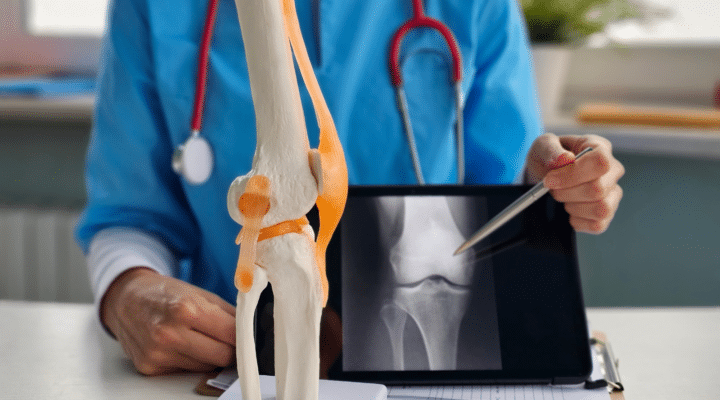
How Physical Therapy Can Help with Recovery from Knee Replacement
Knee replacement surgery can reduce chronic joint pain and improve mobility, yet surgery alone does not restore full function. Physical therapy supports recovery through guided movement, strength work, and education that help patients regain confidence and return to daily activities safely.
Table of contents
- What to Expect After Knee Replacement Surgery
- Why Physical Therapy Is Essential for Knee Replacement Recovery
- Improving Range of Motion and Flexibility
- Restoring Strength and Stability
- Supporting Safe Movement and Gait
- Reducing Pain and Swelling
- Building Confidence for Daily Activities
- When to Start Physical Therapy After Knee Replacement
- How Peake Physical Therapy Can Help
- Final Thoughts
Estimated reading time: 3 minutes

What to Expect After Knee Replacement Surgery
Early recovery commonly includes swelling, soreness, and limited knee motion, which can affect walking and basic tasks. Physical therapy begins soon after surgery to encourage safe movement, support circulation, and align progress with the surgeon’s healing guidelines.
Why Physical Therapy Is Essential for Knee Replacement Recovery
A structured therapy plan guides each stage of healing and helps prevent stiffness and weakness. Supervised exercises and hands-on care improve function while reducing strain on the new joint, supporting steadier progress and better long-term outcomes.
Key benefits include improved joint mobility, increased leg strength, and better balance. Therapy also helps reduce pain and swelling through controlled movement and manual techniques. Patients who follow a consistent therapy plan often experience better functional outcomes and greater confidence with daily tasks.
Improving Range of Motion and Flexibility
Restoring knee bend and extension is a primary focus after surgery. Targeted mobility exercises help limit stiffness, support joint health, and promote smoother movement patterns needed for everyday activities.
Restoring Strength and Stability
Surgery often leads to weakness in the muscles that support the knee and hip. Strengthening the quadriceps, hamstrings, and glutes improves joint support, balance, and control during tasks such as standing, stair use, and walking.
Reference: my.clevelandclinic.org
Supporting Safe Movement and Gait
Many patients develop altered walking patterns after surgery due to pain or weakness. Physical therapists assess gait and address issues that may place extra stress on the joint or surrounding structures. Proper movement training supports efficient walking and protects the knee as activity levels increase. Assistive devices such as walkers or canes are introduced when needed and phased out safely as strength and balance improve.
Reference: my.clevelandclinic.org
Reducing Pain and Swelling
Guided movement, circulation-focused exercises, and manual techniques help manage discomfort after surgery. Consistent therapy reduces stiffness and swelling more effectively than prolonged rest, supporting comfort as activity levels increase.
Building Confidence for Daily Activities
Uncertainty about safe activity can slow recovery. Physical therapy provides education and practice for real-life movements such as getting in and out of a car or navigating stairs, helping patients move forward with greater confidence.
When to Start Physical Therapy After Knee Replacement
Physical therapy usually begins shortly after surgery, often within the first day or two. Early sessions focus on gentle movement, swelling control, and basic mobility. As healing continues, therapy progresses to more advanced strengthening and functional training. Consistency is important. Attending scheduled sessions and following a home exercise plan support steady improvement over time.
How Peake Physical Therapy Can Help
Peake Physical Therapy offers individualized care for knee replacement recovery, focusing on mobility, strength, and safe return to daily life. Therapists provide hands-on guidance and clear education aligned with each patient’s healing timeline.
Final Thoughts
Physical therapy plays a key role in successful recovery after knee replacement surgery. Contact Peake Physical Therapy to schedule an appointment and begin a structured plan that supports long-term joint function and mobility.