

How Dry Needling Helps with Muscle Pain
Muscle pain can interfere with daily movement, limit your ability to exercise, and make it harder to get through your routine. One technique that’s gained popularity in physical therapy clinics is dry needling, a method that targets tight muscle bands and trigger points to provide relief.
What Is Dry Needling?
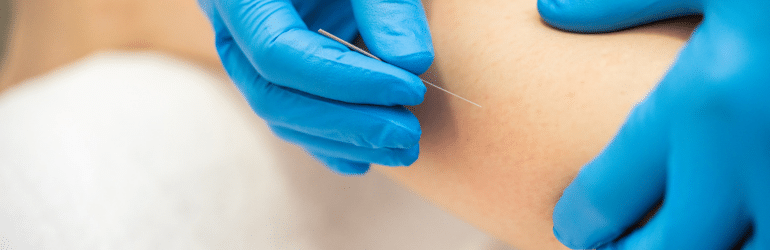
Trained physical therapists perform dry needling using a skilled technique. They insert a thin, sterile needle into the skin and muscle to target trigger points, such as knots or sensitive areas, that cause pain and restrict mobility. These points may cause local discomfort or refer pain to other parts of the body.
How Does It Help with Muscle Pain?
Dry needling helps reduce muscle tension, improve blood flow, and interrupt pain signals sent to the brain. When a needle hits a trigger point, it can create a quick twitch response. This reaction often leads to reduced tightness and soreness in the affected area.
Here’s how it can help:
- Releases tight muscles: The needle stimulates the muscle, encouraging it to relax.
- Improves range of motion: With less tension, you may find it easier to move without pain.
- Decreases inflammation: Improved circulation supports healing in the affected tissue.
- Relieves nerve irritation: Reducing pressure from tense muscles can take stress off nearby nerves.
Conditions That Respond Well to Dry Needling
Dry needling is often used to treat:
- Chronic neck and back pain
- Shoulder pain
- Headaches or migraines
- Hip and glute pain
- Tendinitis or overuse injuries
- Sports-related muscle issues
It’s frequently used as part of a larger physical therapy plan that may include stretching, strengthening, and manual therapy.
Is It the Same as Acupuncture?
While dry needling uses similar tools to acupuncture, the two practices are different. Acupuncture is rooted in traditional Chinese medicine, while dry needling is based on modern anatomical and neurophysiological principles.
Reference: merriam-webster.com/dictionary/neurophysiological
What to Expect During a Session
Most people feel minimal discomfort during the treatment. Some experience a brief muscle twitch or mild soreness afterward, similar to post-workout fatigue. Your physical therapist will talk you through the process, explain where the needles will be placed, and check in with you during the session.
Final Thoughts
Dry needling can be an effective part of treating muscle pain, especially when used alongside a full physical therapy program. If you’re dealing with tight muscles or persistent pain, it’s worth asking your therapist if this method might work for you. Contact Peake Physical Therapy to schedule an appointment and learn more about our dry needling services.