
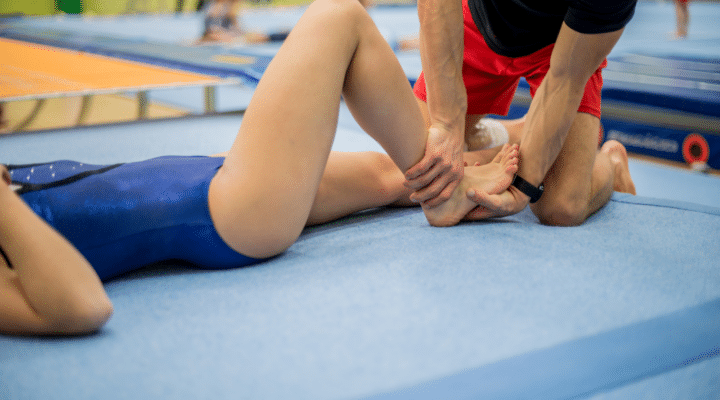
Common Gymnastics Injuries and How Physical Therapy Can Help
Gymnastics requires strength, flexibility, balance, and precise body coordination. From tumbling passes to handstands and vault landings, athletes repeatedly place significant stress on their muscles, bones, and joints. Many gymnasts begin training at a young age, increasing their exposure to repetitive movements as they develop.
As a result, gymnastics injuries are common among recreational and competitive athletes. Some injuries occur suddenly, while others develop gradually from repeated stress. Physical therapy can help gymnasts recover, rebuild strength, improve mobility, and return to training with a lower risk of reinjury.
This article covers common gymnastics injuries, warning signs to watch for, and how Peake Physical Therapy’s sports injury rehabilitation supports recovery.
Resource: orthoinfo.org
Estimated reading time: 7 minutes
Key Takeaways
- Gymnasts face a high risk of injuries due to repetitive movements, high training volume, and the physical demands of the sport.
- Common gymnastics injuries include wrist sprains, ankle sprains, stress fractures, shoulder injuries, knee injuries, and back injuries.
- Physical therapy helps gymnasts recover by addressing movement limitations, rebuilding strength, and preparing athletes for return to training.
- Therapists develop personalized rehabilitation plans based on injury type, athlete age, and training goals to ensure safe recovery.
- Effective communication between therapists, athletes, families, and coaches promotes a coordinated and safe return to gymnastics.
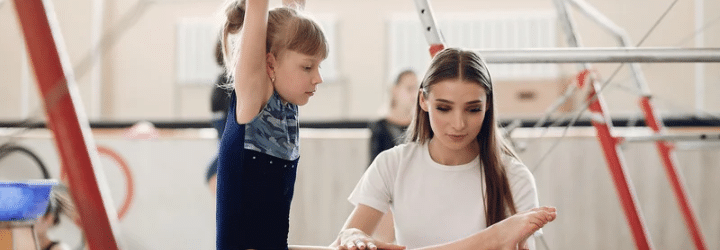
Table of contents
Why Gymnasts Are Prone to Injury
Gymnastics injuries generally fall into two categories:
Acute injuries: Sudden injuries caused by falls, awkward landings, or twisting movements.
Overuse injuries: Conditions that develop gradually when repetitive stress exceeds the body’s ability to recover.
Several factors can raise the risk of injury, including:
- High training volume and year-round practice
- Repeated impact from tumbling, vaulting, and dismounts
- Weight-bearing through the wrists and shoulders
- Extreme ranges of motion involving the spine and hips
- Growth spurts and changes in flexibility or coordination
- Returning to training before an injury has adequately healed
Recognizing these risks helps athletes, parents, and coaches address problems before they worsen.
Common Gymnastics Injuries
Wrist Sprains and Wrist Pain
Gymnastics places considerable force on the wrists during handstands, handsprings, vaults, and bar routines. Repeated loading can contribute to several conditions:
- Wrist sprains: Stretched or torn ligaments, often following a fall or awkward landing.
- Gymnast’s wrist: An overuse injury affecting the wrist growth plate in younger athletes.
- TFCC injuries: Damage to structures supporting the pinky side of the wrist.
A growing gymnast with persistent wrist pain should be medically evaluated, especially if there is swelling or pain during everyday activities. Stop skills that load the painful wrist until a medical professional evaluates the injury. Growth plate injuries may require rest from impact activities and immobilization before rehabilitation progresses.
Ankle Sprains
Ankle sprains frequently occur during landings when the foot rolls unexpectedly, stretching or tearing supporting ligaments. An ankle may remain weak or unstable if it isn’t properly rehabilitated, making repeated injuries more likely.
Signs to watch for: Swelling, bruising, difficulty walking, or a sensation that the ankle gives way.
Stress Fractures
Stress fractures are small cracks in bones caused by repetitive loading rather than a single impact. In gymnasts, they can affect the feet, shin bones, and other areas exposed to repeated force.
Symptoms often begin as mild discomfort during activity and become more persistent when training continues without sufficient recovery.
Signs to watch for: Localized bone tenderness, pain that worsens during practice, or discomfort that continues at rest.
Suspected stress fractures require medical assessment and may involve imaging or temporary activity restrictions.
Shoulder Injuries
Handstands, bars, and tumbling routines demand considerable shoulder strength and stability. Repeated loading may contribute to:
- Rotator cuff strains or tendinopathy
- Shoulder impingement-related pain
- Shoulder instability
- Labral tears
Signs to watch for: Pain during overhead movements, weakness, clicking, or a feeling that the shoulder is unstable.
Knee Injuries
Jumping, twisting, and landing place substantial force on the knees. Common conditions include:
- ACL tears: Ligament injuries often associated with awkward landings or twisting.
- Meniscus tears: Injuries affecting the cartilage that cushions the knee.
- Patellar tendinopathy: An overuse condition affecting the tendon below the kneecap.
- Osgood-Schlatter disease: Pain below the kneecap, common in growing athletes.
Signs to watch for: Swelling, pain when jumping or kneeling, a popping sensation, or knee instability.
Back Injuries
Repeated backbends, walkovers, and spinal extension can contribute to lower back injuries, particularly in young gymnasts.
Common conditions include:
- Spondylolysis: A stress injury or fracture affecting part of a vertebra.
- Spondylolisthesis: One vertebra slipping forward relative to another.
- Muscle strains: Injuries affecting muscles supporting the lower back.
Young gymnasts with persistent lower back pain should seek medical attention, especially if symptoms worsen during extension-based movements.
How Physical Therapy Helps Gymnasts Recover
Physical therapy addresses movement limitations, weakness, and other factors that may contribute to an athlete’s symptoms. Rehabilitation also prepares gymnasts for the physical demands of returning to their sport.
Resource: gwrymca.org
Thorough Evaluation and Personalized Rehabilitation
At Peake Physical Therapy, treatment begins with an assessment of the athlete’s injury, training history, movement patterns, and recovery goals.
Physical therapists may assess strength, flexibility, joint mobility, balance, and functional movement to identify factors that may affect recovery.
Rehabilitation plans consider the athlete’s age, injury, skill level, and physical requirements. For example, a young gymnast recovering from wrist pain will need a different approach than a competitive athlete rehabilitating after ACL surgery.
Sport-Specific Rehabilitation
As recovery progresses, the rehabilitation plan may introduce exercises that prepare athletes for gymnastics movements.
These may include:
- Strengthening exercises for the core, hips, shoulders, and legs
- Balance and coordination training
- Landing mechanics exercises
- Progressive jumping and plyometric drills
- Sport-specific movements that simulate gymnastics skills
Exercises are adjusted according to the gymnast’s recovery stage, symptoms, and physical readiness.
Manual Therapy
Manual therapy uses hands-on techniques to address certain movement restrictions and musculoskeletal symptoms.
Depending on the injury, manual therapy may help improve wrist, ankle, or shoulder mobility and relieve muscle tension.
These techniques are generally combined with therapeutic exercise to support functional recovery.
Dry Needling
Dry needling involves inserting thin, sterile needles into targeted muscle tissue. It may provide short-term pain relief for certain musculoskeletal conditions.
When appropriate for the athlete’s age and condition, dry needling may complement a broader rehabilitation program that includes exercise and movement training.
Other Treatment Options
Depending on the injury and clinical assessment, treatment may also include:
- Acupuncture for selected musculoskeletal pain conditions
- Shockwave therapy for certain persistent tendon problems
- Deep tissue laser therapy as a supplementary pain management treatment
- Post-surgical rehabilitation following ACL reconstruction or shoulder surgery
- Vestibular rehabilitation for dizziness or balance problems following appropriate medical evaluation
A gymnast who develops headache, dizziness, confusion, or balance problems after a fall or a blow to the head or body should stop training immediately and be assessed for concussion. They should not return to gymnastics that day or until a healthcare professional clears them.
Not every treatment suits every injury. Recommendations should reflect the athlete’s individual needs.
Returning Safely to Gymnastics
Returning to training too soon increases the risk of further injury. Physical therapists help gymnasts gradually reintroduce movement, impact, and training demands. Progression may depend on strength, mobility, balance, movement quality, and symptom response.
Communication between the therapist, athlete, family, and coach can also help coordinate a safe return to gymnastics.
Physical therapists can assess movement patterns and recommend exercises that address individual weaknesses or limitations.
Frequently Asked Questions
What is the most common injury in gymnastics?
Ankle sprains and wrist injuries are among the most frequently reported gymnastics injuries. Lower back stress injuries are also a concern, particularly for younger athletes. Injury patterns vary by age, training intensity, and event.
How long does recovery from a gymnastics injury take?
Recovery depends on the injury’s severity and the athlete’s individual circumstances. Mild ankle sprains may improve within a few weeks, while stress fractures and ACL injuries can require several months of rehabilitation.
A physical therapist can assess recovery progress and help determine when it’s appropriate to return to specific activities.
Can my child continue training during physical therapy?
Some athletes can continue modified training while recovering. A therapist may recommend avoiding certain skills while continuing exercises that don’t aggravate the injury.
However, suspected stress fractures and other significant injuries may require temporary restrictions. Training modifications should follow professional assessment.
Do I need a referral to see a physical therapist?
In Maryland, patients can access physical therapy directly in many circumstances without a physician’s referral. Insurance requirements may vary, so contact Peake Physical Therapy to discuss your coverage and appointment options.
Get Expert Care for Gymnastics Injuries in Baltimore
Peake Physical Therapy provides individualized, evidence-informed care with dedicated one-on-one treatment time. Our physical therapists work with athletes and their families to develop rehabilitation plans that address their injuries, physical needs, and return-to-sport goals.
If your gymnast is experiencing pain, recovering from an injury, or seeking guidance on injury prevention, request an appointment at Peake Physical Therapy to discuss their symptoms and rehabilitation needs.